
Home ↣ Buy a Construction Company
Buy an Established Construction Company in British Columbia
An established construction company can provide immediate access to experienced project managers, estimators, supervisors, tradespeople, subcontractor relationships, operating systems, equipment, active projects and a recognized market reputation. For the right buyer, acquiring a functioning company may be more practical than building a team, bonding capacity, safety record and client base from the ground up.
Trades Business Broker helps qualified buyers identify and evaluate construction companies throughout British Columbia. Opportunities may include general contractors, commercial builders, residential builders, renovation companies, civil and infrastructure contractors, industrial contractors, design-build firms and specialized construction businesses.
The right acquisition must fit your experience, financing capacity, preferred region, project size, risk tolerance, working-capital resources and ability to manage contracts, employees, subcontractors, schedules and project execution.

Why Buy an Existing Construction Company?
Established Client and Referral Relationships
Experienced Management and Field Teams
Active Backlog and Market Presence
Systems, Safety and Compliance Infrastructure
Equipment, Vehicles and Facilities
Reputation and Prequalification History
Construction Businesses Buyers May Consider
- Commercial general contractors
- Residential home builders and renovation companies
- Tenant-improvement and interior construction firms
- Civil, excavation and infrastructure contractors
- Industrial and institutional construction companies
- Design-build contractors
- Multi-family and mixed-use builders
- Concrete, framing and building-envelope contractors
- Specialty construction and project-management firms
- Maintenance, repair and small-project contractors
Each model has a different contract structure, margin profile, bonding requirement, working-capital need and project risk. Buyers should evaluate the actual economics and operating demands of the target rather than treating all construction businesses as interchangeable.
What Makes a Strong Construction Acquisition?
1. Supportable Normalized Earnings
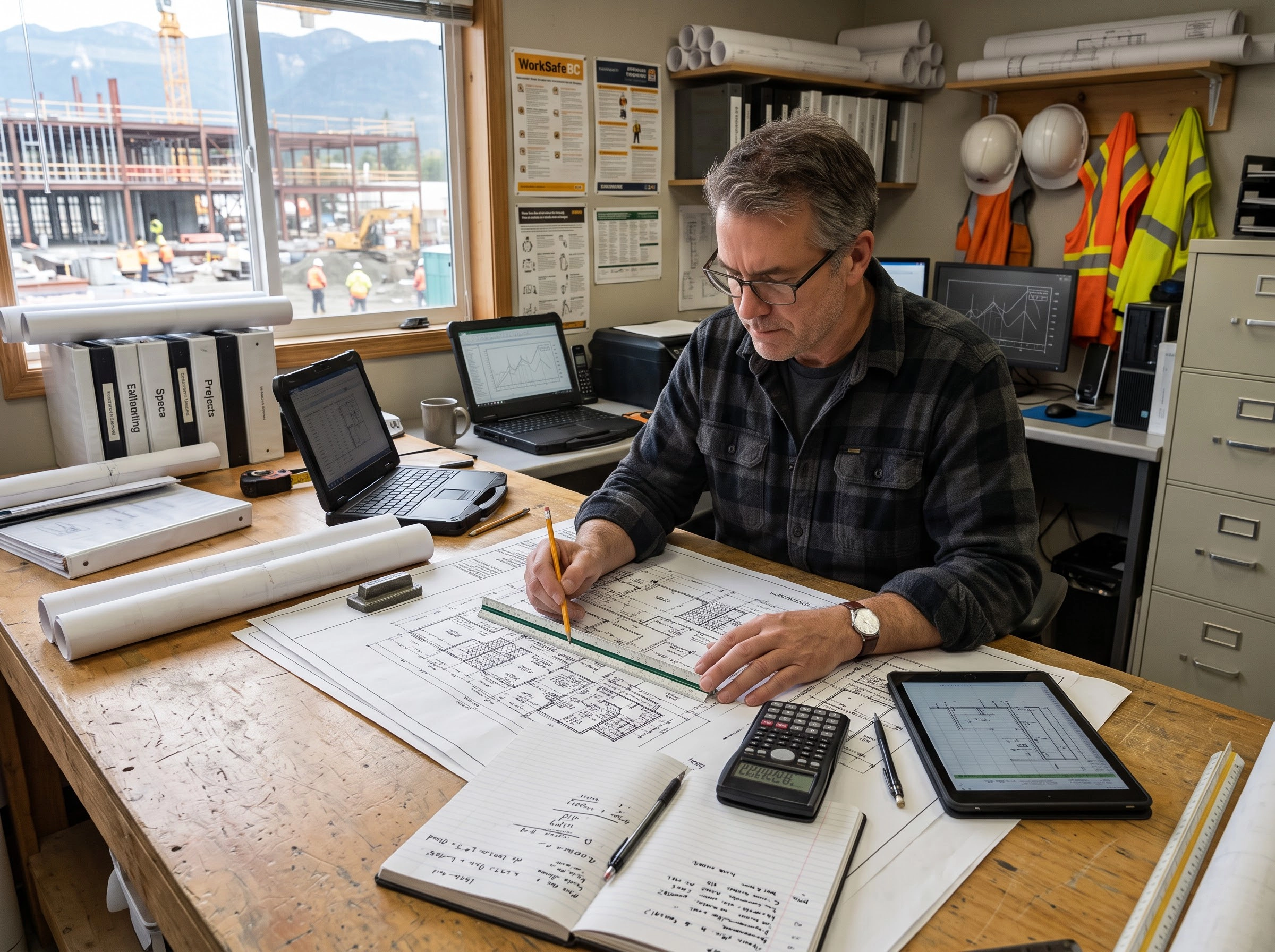
Review normalized EBITDA or seller’s discretionary earnings, depending on company size. Test owner adjustments, related-party expenses, unusual projects, deferred maintenance, replacement management costs and whether historical margins can continue under new ownership.
2. Profitable and Verifiable Backlog
Backlog should be analyzed project by project. Confirm signed contracts, remaining revenue, estimated cost to complete, expected gross profit, schedule, change orders, cancellation rights, holdbacks and the working capital required to finish the work.
3. Reliable Work-in-Progress Reporting
Accurate WIP reporting should connect contract value, approved changes, costs incurred, estimated costs to complete, billings, underbillings, overbillings and forecast margin. Weak WIP controls can materially distort earnings.
4. Diversified Clients and Project Types
A company dependent on one developer, one public agency, one project type or one estimator may carry elevated risk. Diversification should be reviewed by client, geography, sector, project size and delivery model.
5. Capable Management Beyond the Owner
A transferable company should have people who can estimate, win work, manage projects, supervise sites, control costs and maintain client relationships. Heavy owner dependence can reduce value and complicate transition.
6. Strong Contract and Change-Order Discipline
Buyers should review how contracts are negotiated, how scope changes are documented, who approves extra work and whether unapproved change orders or claims are common.
7. Appropriate Bonding and Insurance Capacity
Where bonding is important, buyers should understand surety relationships, indemnities, financial covenants and whether capacity will continue after a change of control. Insurance coverage, claims history and exclusions also require careful review.
8. Sound Safety and Compliance Record
Review safety policies, incident history, WorkSafeBC standing, training, subcontractor controls and environmental obligations. Unresolved issues can affect operations, insurance and reputation.
9. Quality Job Costing and Financial Controls
Strong construction businesses track labour, material, equipment, subcontractor and overhead costs at the project level. Buyers should test whether reporting is timely enough to identify margin erosion before a project is complete.
10. Manageable Working-Capital Requirements
Payroll, materials, equipment, deposits, retainage and delayed collections can create substantial cash demands. The acquisition structure and financing plan must account for both the purchase price and post-closing working capital.

Understanding Construction Revenue Models
Fixed-Price Contracts
Cost-Plus and Construction-Management Work
Design-Build Projects
Service, Maintenance and Small Projects
Public-Sector and Tendered Work
Backlog, WIP and Project Risk
Backlog is not the same as guaranteed profit. A buyer should reconcile the active-project schedule to signed contracts, approved change orders, cost reports, billing records and expected completion dates. Projects with low margins, unresolved claims, liquidated damages, schedule pressure or incomplete documentation may create liabilities rather than value.
WIP reporting deserves particular attention because percentage-of-completion accounting can accelerate or defer reported profit. Buyers and their advisors should test the assumptions used for estimated costs to complete, project margin, underbillings, overbillings, retainage and loss recognition.
A project-by-project review should identify:
- Original contract value and approved change orders
- Costs incurred and committed costs
- Estimated costs to complete
- Gross profit recognized and remaining forecast profit
- Billings, collections, underbillings and overbillings
- Retainage and expected release dates
- Open claims, disputes, deficiencies and warranty obligations
- Schedule status and potential delay exposure
- Key subcontractor and supplier commitments
- Required working capital through completion
Contracts, Change Orders and Retainage
Construction value can be affected by contract language that is not visible in high-level financial statements. Buyers should review payment terms, indemnities, warranties, insurance requirements, termination clauses, dispute procedures, schedule obligations, liquidated damages, personal guarantees and change-of-control provisions.
Unapproved change orders can create significant collection risk. A disciplined company documents scope changes before work proceeds, tracks approvals and updates cost forecasts promptly. Retainage should be reviewed for age, collectability and project-specific release conditions.
Bonding, Insurance and Surety Relationships
Some construction companies rely on bid, performance or labour-and-material payment bonds. A buyer should determine current bonding limits, utilization, financial reporting requirements, indemnity arrangements, claims history and whether the surety will support the company after ownership changes.
Insurance review may include commercial general liability, course-of-construction, professional liability, pollution, fleet, property and cyber coverage depending on operations. The buyer’s insurance and legal advisors should assess historical claims, exclusions and post-closing requirements.
Management, Employees and Subcontractors
The quality of the management team can be more important than the physical assets. Buyers should identify who estimates work, negotiates contracts, manages schedules, approves purchases, supervises sites, controls safety and maintains client relationships.
Subcontractor dependence also requires review. Confirm whether key subcontractors are reliable, properly insured, competitively priced and willing to continue. Review written agreements, payment practices, disputes and whether the company is vulnerable to one critical subcontractor or supplier.

Equipment, Fleet and Facilities
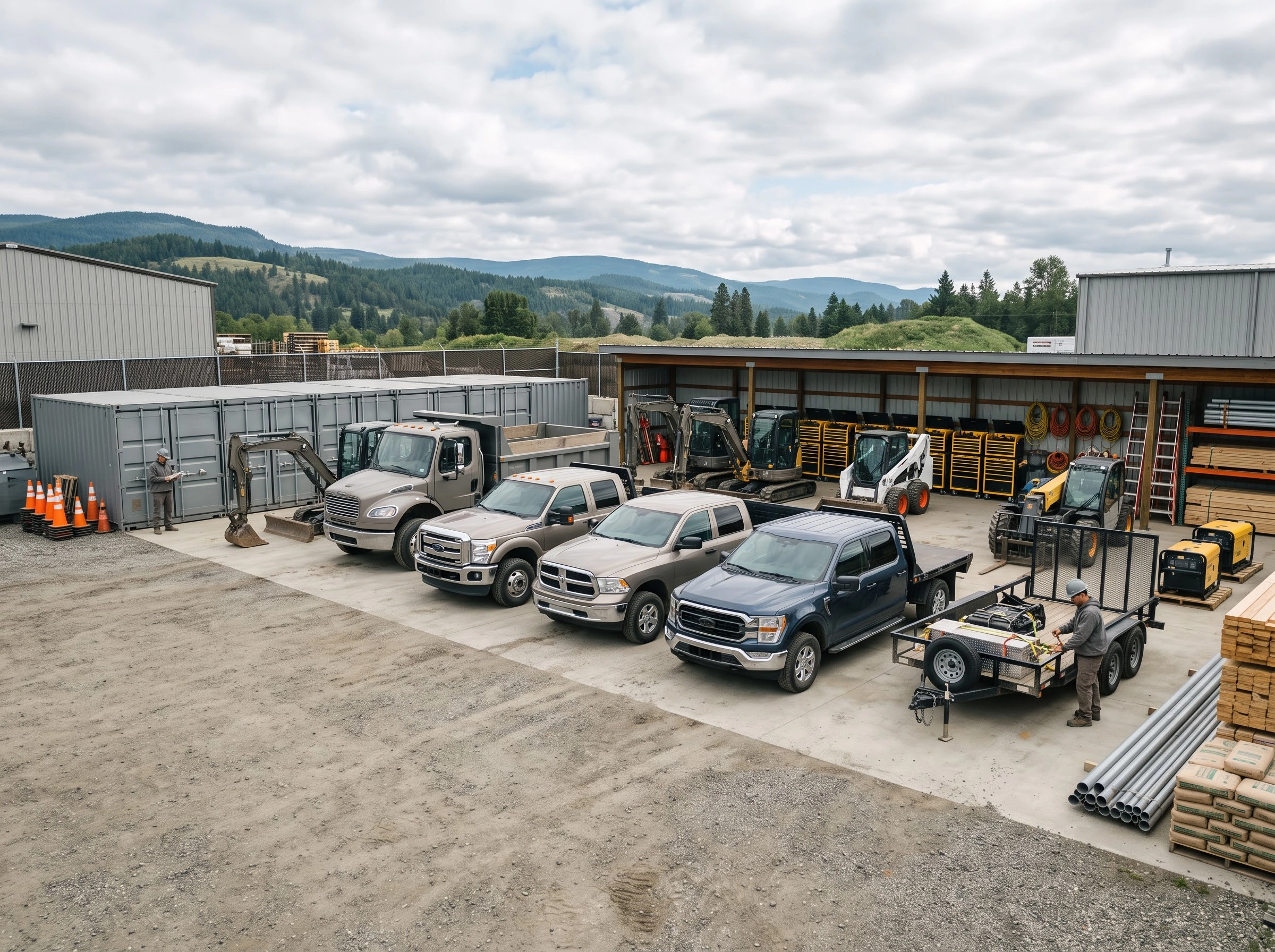
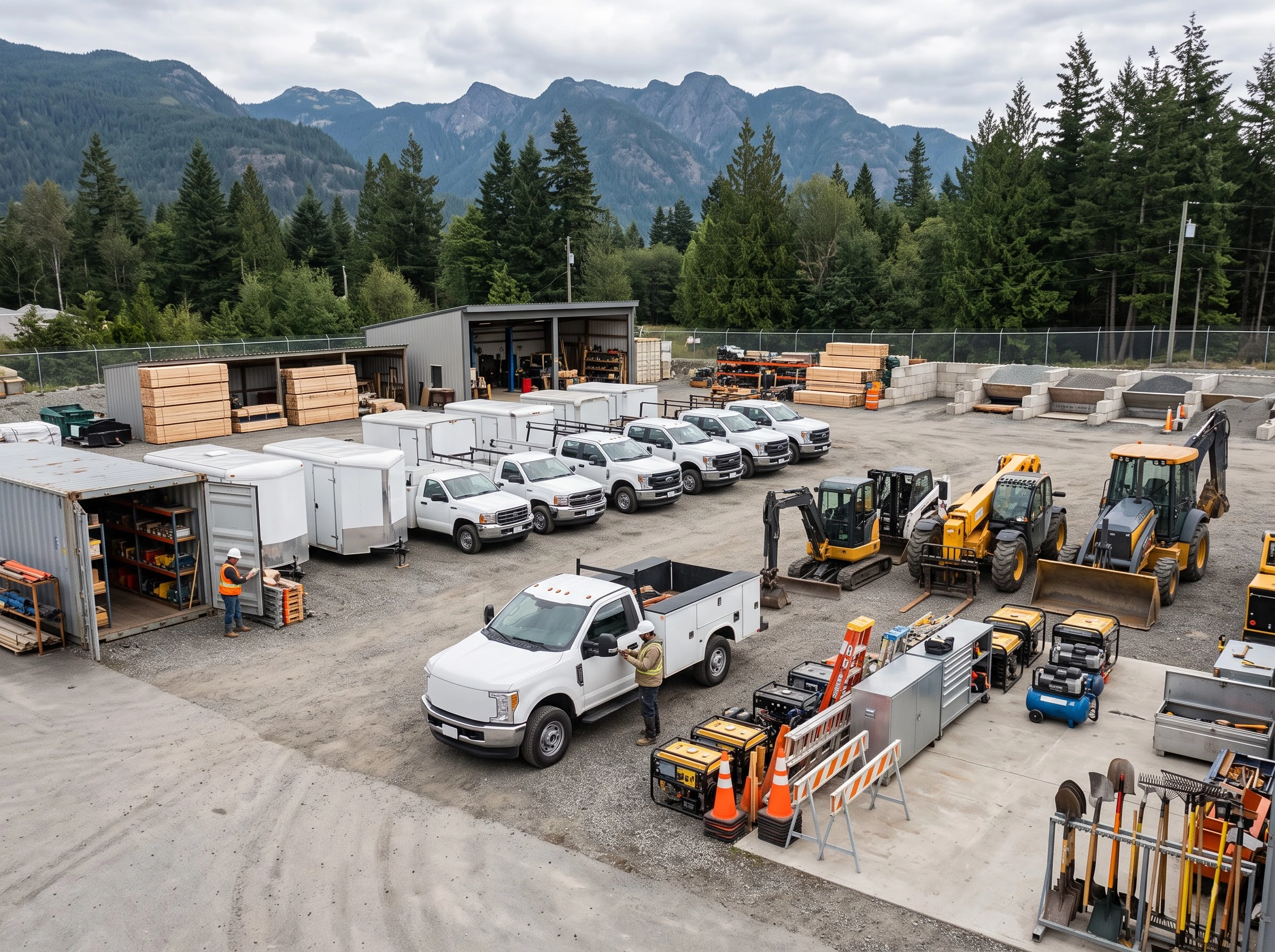
The purchase price may include vehicles, heavy equipment, tools, trailers, scaffolding, formwork, office systems, inventory and leasehold improvements. Buyers should verify:
- Ownership, lease and financing status
- Serial numbers, registrations and liens
- Condition, maintenance history and remaining useful life
- Replacement requirements and capital budget
- Utilization rates and idle equipment
- Storage-yard, office and facility lease terms
- Transferability of permits, access rights and vendor accounts
A large asset base does not automatically create value. Equipment should be assessed in relation to its actual productivity, replacement cost and contribution to normalized earnings.
Financial Review and Normalization
Construction financial statements require careful interpretation because revenue recognition, WIP, retainage, claims and project timing can materially affect reported results. Buyers should reconcile financial statements to job-cost reports, project schedules, tax filings, bank statements and accounts receivable.
Potential normalization items may include:
- Owner compensation and discretionary expenses
- Related-party rent, equipment or management charges
- One-time legal, claim or restructuring costs
- Unusual project gains or losses
- Deferred repairs or equipment replacement
- Replacement compensation for the seller’s operational role
- Non-recurring insurance proceeds or grants
- Personal vehicles, travel or family payroll not required by a buyer
- Understated overhead needed to support future growth
Normalization should be evidence-based. Buyers should not add back recurring costs simply to make the business appear more profitable.
Financing a Construction Company Acquisition
Financing may involve buyer equity, senior debt, vendor financing, earn-outs or other negotiated structures. Lenders may focus on earnings quality, backlog, WIP reporting, client concentration, bonding, equipment, working capital, management continuity and the buyer’s construction experience.
The funding plan should account for more than the purchase price. Buyers may also need capital for payroll, material deposits, equipment, bonding support, insurance, retainage and project growth. A company can be profitable on paper and still face serious cash pressure if working capital is underestimated.
Any financing structure should be reviewed by qualified legal, tax and financial advisors. No financing outcome should be represented as guaranteed.
Construction Due Diligence Checklist
- Historical financial statements and tax returns
- Detailed WIP schedules and project-by-project job-cost reports
- Backlog schedule with signed contracts and approved changes
- Accounts receivable, retainage, underbillings and overbillings
- Open claims, disputes, deficiencies and warranty obligations
- Customer and project concentration analysis
- Bonding limits, surety correspondence and indemnities
- Insurance policies and claims history
- WorkSafeBC standing, safety records and incident history
- Employee list, compensation, tenure and key-person dependencies
- Subcontractor and supplier agreements, balances and disputes
- Equipment, fleet, leases, liens and maintenance records
- Facility, yard and office lease terms
- Licences, permits, prequalifications and certifications
- Banking, credit facilities and working-capital requirements
- Tax, legal, environmental and regulatory matters
- Transition plan and seller support requirements
Due diligence should be tailored to the company’s size, sector, project types and transaction structure. The buyer should rely on qualified advisors rather than treating a general checklist as a substitute for professional review.
Common Buyer Mistakes
Focusing on Revenue Instead of Project Profitability
Assuming Backlog Is Guaranteed
Ignoring Working-Capital Needs
Overlooking Owner Dependence
Accepting WIP Reports Without Testing Them
Failing to Review Bonding and Insurance Early
Underestimating Claims and Warranty Exposure
Contacting Clients or Employees Without Authorization

Our Construction Acquisition Process
Step 1 – Buyer Registration
Provide your acquisition criteria, preferred construction sectors, geography, experience, financing range and timing.
Step 2 – Confidentiality and Qualification
Sign the applicable NDA and provide information demonstrating financial and operational capacity before receiving sensitive details.
Step 3 – Opportunity Review
Review approved summaries and confidential information for opportunities that align with your criteria.
Step 4 – Management Discussion
Where appropriate, meet the seller through a controlled process to understand operations, projects, workforce, backlog and transition expectations.
Step 5 – Letter of Intent
Submit a structured proposal addressing price, payment terms, working capital, receivables, WIP, conditions, transition and exclusivity.
Step 6 – Due Diligence and Financing
You and your advisors verify financial, legal, tax, operational, bonding, insurance, safety and commercial information before conditions are removed.
Step 7 – Closing and Transition
The parties complete definitive documents and implement a transition plan covering employees, clients, projects, banking, bonding, systems and seller support.
Financing an HVAC Business Acquisition
HVAC acquisitions may be financed through a combination of buyer equity, bank or credit-union financing, Business Development Bank of Canada financing, seller financing and, in some cases, asset-based facilities. Availability depends on the buyer, business, assets, cash flow and transaction structure.
Buyers should speak with lenders early. A strong financing package commonly includes personal financial information, a business plan, relevant experience, historical financial statements, normalized cash flow, purchase terms and a realistic working-capital estimate.
Confidentiality When Buying a Construction Company
Most construction companies are marketed confidentially. Premature disclosure can unsettle employees, clients, subcontractors, suppliers, lenders, sureties and competitors. Buyers should not contact staff, customers, project partners, landlords or business associates without written authorization through the transaction process.
Confidentiality protects both parties and helps preserve business value. Qualified buyers should be prepared to sign an NDA and demonstrate financial capacity before receiving identifying information, project details or financial records.
Who Is This Page For?
- Existing construction owners seeking geographic or sector expansion
- Specialty contractors moving into general contracting or design-build
- Experienced construction executives pursuing ownership
- Strategic buyers seeking management teams, backlog, bonding or client relationships
- Search-fund, family-office or private buyers seeking an established operating company
- Entrepreneurs with relevant construction, project-management, finance or operational experience
Frequently Asked Questions
Pricing varies based on normalized earnings, backlog quality, WIP accuracy, client concentration, management depth, bonding, equipment, working-capital needs and risk. A business-specific valuation is more reliable than a generic multiple.
Backlog should be reviewed project by project. Buyers should consider contractual certainty, expected margin, schedule, working-capital needs, cancellation rights and the probability of successful completion.
WIP is the financial and operational status of active projects, including contract value, costs incurred, estimated costs to complete, billings, underbillings, overbillings and forecast profit or loss.
Transferability depends on the contract and transaction structure. Some agreements require client, lender, landlord, surety or other third-party consent.
The parties must agree whether retainage remains with the seller, transfers to the buyer or is adjusted at closing. Collectability, project obligations and tax treatment require professional review.
Possibly, but it is not automatic. The surety may evaluate the buyer, management team, capitalization, financial reporting and indemnity arrangements before confirming support.
It may be possible where experienced management remains, but buyers should realistically assess project, safety, financial, bonding and operational demands. Lenders and sureties may also consider industry experience.
The amount depends on payroll, materials, billing cycles, retainage, backlog and project growth. A detailed cash-flow forecast should be prepared before closing.
Timing depends on complexity, financing, due diligence, contracts, bonding, WIP, third-party consents and the parties’ readiness. A fixed timeline should not be promised without reviewing the transaction.
Complete the buyer-registration process, provide the requested qualification information and sign the applicable confidentiality agreement. Suitable opportunities can then be introduced as available.
Looking for an established construction company in British Columbia?
Register confidentially with Trades Business Broker to discuss your acquisition criteria, financing readiness and preferred construction sector. We help qualified buyers evaluate construction opportunities with a practical focus on earnings quality, backlog, WIP, contracts, bonding, management, equipment, working capital and transition risk.