
Home ↣ Buy a Plumbing Business
Buy an Established HVAC Business in British Columbia
Acquiring an established plumbing company can provide immediate access to trained technicians, service vans, customer relationships, recurring maintenance work and an operating platform that may take years to build from the ground up.
Trades Business Broker helps qualified buyers identify and evaluate plumbing, drain-service, hydronic-heating, gas-fitting and related mechanical service companies throughout British Columbia. We support a confidential, organized acquisition process while helping buyers understand the operational and financial realities behind each opportunity.
Whether you are an experienced plumbing operator, a strategic contractor, an acquisition entrepreneur or an investor with a capable management plan, the right business must fit your skills, capital, location and long-term objectives.
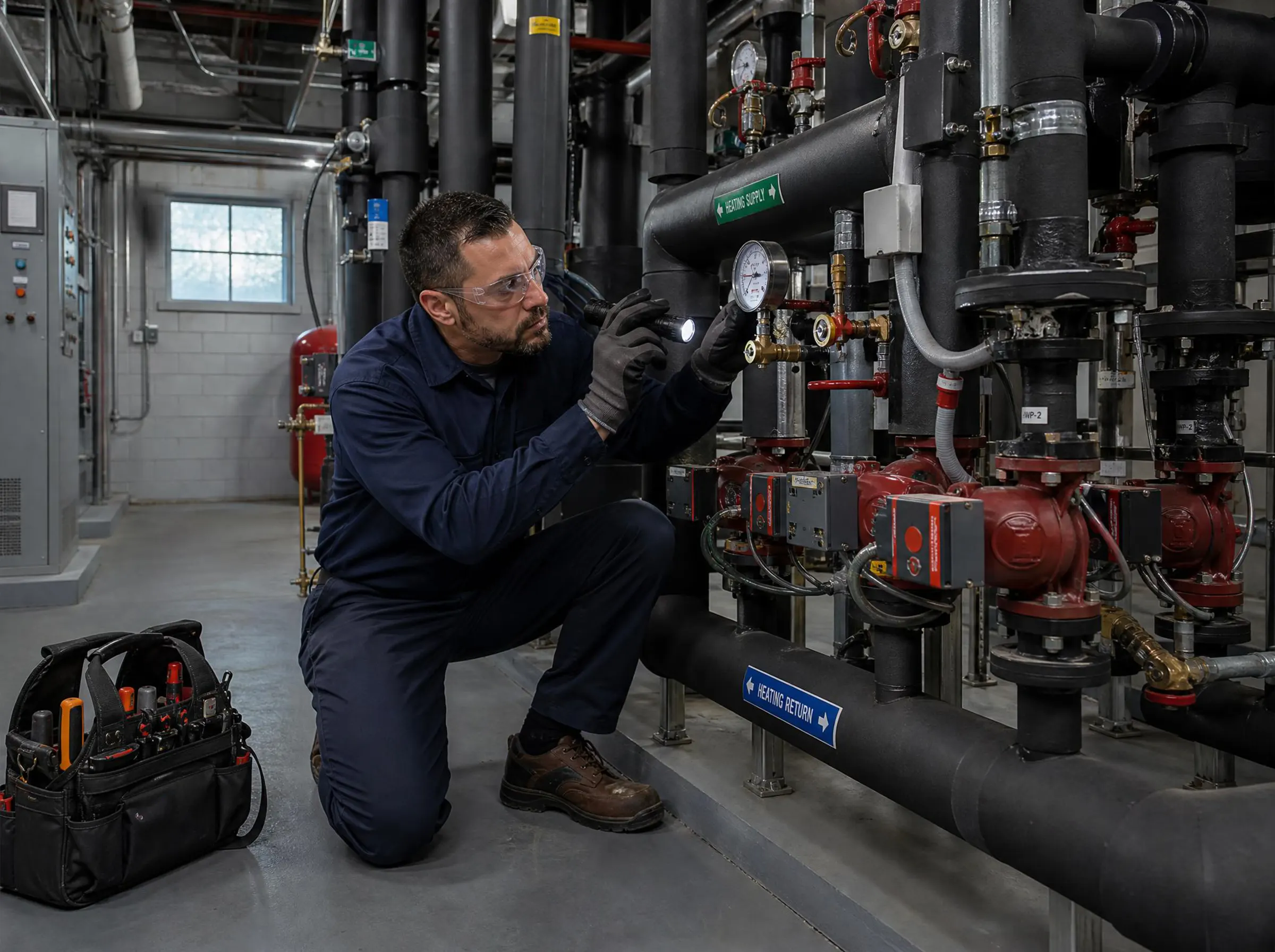
Why Buy an Existing Plumbing Business?
Starting a plumbing company can require years of recruiting, licensing, customer acquisition, equipment purchases, supplier development and reputation building. Buying an established company may shorten that timeline, but only when the underlying business is transferable and the purchase is supported by careful due diligence.
Established Revenue and Customer Relationships
Skilled Technicians and Operational Capacity
Recurring Service and Maintenance Revenue
Fleet, Tools and Systems
Brand, Reviews and Market Reputation
Types of Plumbing Businesses Buyers May Acquire
- Residential plumbing and drainage service companies
- Commercial Plumbing service contractors
- Mechanical contracting companies
- Drain, Sewer and Emergency Service service and installation businesses
- Hydronic-heating installation and maintenance companies
- Building automation and backflow and water-treatment contractors
- Drain-cleaning, sewer and camera-inspection businesses
- Hydronic, boiler and radiant-heating specialists
- Water-treatment, filtration and backflow-testing businesses
- Mixed plumbing, HVAC and electrical contractors
- Industrial plumbing, pipefitting and process-service companies
Each business model has a different revenue profile, labour requirement, seasonality pattern and risk structure. Buyers should determine which operating model best matches their experience and acquisition strategy before reviewing opportunities.

What Makes a Strong Plumbing Acquisition?
1. Sustainable Normalized Earnings
Buyers should focus on normalized, supportable cash flow rather than gross revenue alone. Review gross margins, labour efficiency, overhead, owner compensation, non-recurring expenses and the quality of proposed add-backs. Earnings should be reconciled to source records and tax filings.
2. Balanced Revenue Mix
A combination of service, maintenance, replacement and renovation and installation work can reduce dependence on any one revenue source. Heavy reliance on new construction, a single builder or weather-driven replacement work may increase volatility.
3. Transferable Maintenance Agreements
Recurring agreements may increase predictability, but buyers should examine cancellation rights, renewal rates, pricing, service obligations, deferred revenue and whether customers must consent to an ownership change.
4. Capable Workforce
Review employee tenure, licensing, compensation, productivity, overtime, benefits and retention risk. Determine which employees hold critical licences or customer relationships and whether the operation can continue if one key person leaves.
5. Manageable Owner Dependence
Understand exactly what the seller does each day. If the owner handles estimating, technical diagnosis, major accounts, dispatch, sales and supervision, the buyer must develop a realistic transition or replacement plan.
6. Strong Customer Diversity
A broad customer base usually reduces risk. Buyers should examine concentration by customer, builder, property manager, geographic area and service line, as well as the quality and age of receivables.
7. Organized Operating Systems
Reliable dispatch, CRM, service history, digital invoicing, inventory control, job costing and technician reporting can improve transferability. Weak records may make both valuation and post-closing
8. Appropriate Fleet and Equipment
Confirm ownership, financing, maintenance history, mileage, condition and replacement needs for vehicles, tools and specialized equipment. The purchase price should clearly identify which assets are included and which obligations remain outstanding.
9. Licensing, Safety and Compliance
Review provincial and municipal licences, Technical Safety BC requirements, WorkSafeBC standing, permits, gas-fitting and backflow certifications, insurance history and environmental obligations. Buyers should obtain professional advice regarding any licences that require a new application or designated individual.
10. Realistic Growth Potential
Growth opportunities may include stronger maintenance programs, hydronic heating, drain and sewer services, backflow testing and water-treatment services, geographic expansion or improved digital marketing. Buyers should distinguish achievable opportunities from projections that require substantial new labour or capital.

Residential, Commercial and Service Plumbing Businesses
Residential Plumbing
Commercial Plumbing
Drain, Sewer and Emergency Service
Mechanical Plumbing and New Construction
Key Financial Metrics to Review
- Normalized EBITDA or seller’s discretionary earnings, depending on size and structure
- Gross margin by service line and job type
- Service revenue compared with renovation and new-construction revenue
- Recurring maintenance revenue and renewal rates
- Revenue and gross profit per technician
- Billable utilization, warranty and callback rates and overtime
- Customer-acquisition cost and lead-source dependence
- Accounts receivable aging and bad-debt history
- Inventory levels, obsolete parts and warranty obligations
- Capital expenditure requirements for fleet and equipment
- Working-capital needs during seasonal peaks
- Customer, supplier and referral concentration
No single metric determines value. The quality, repeatability and transferability of earnings matter more than headline revenue.
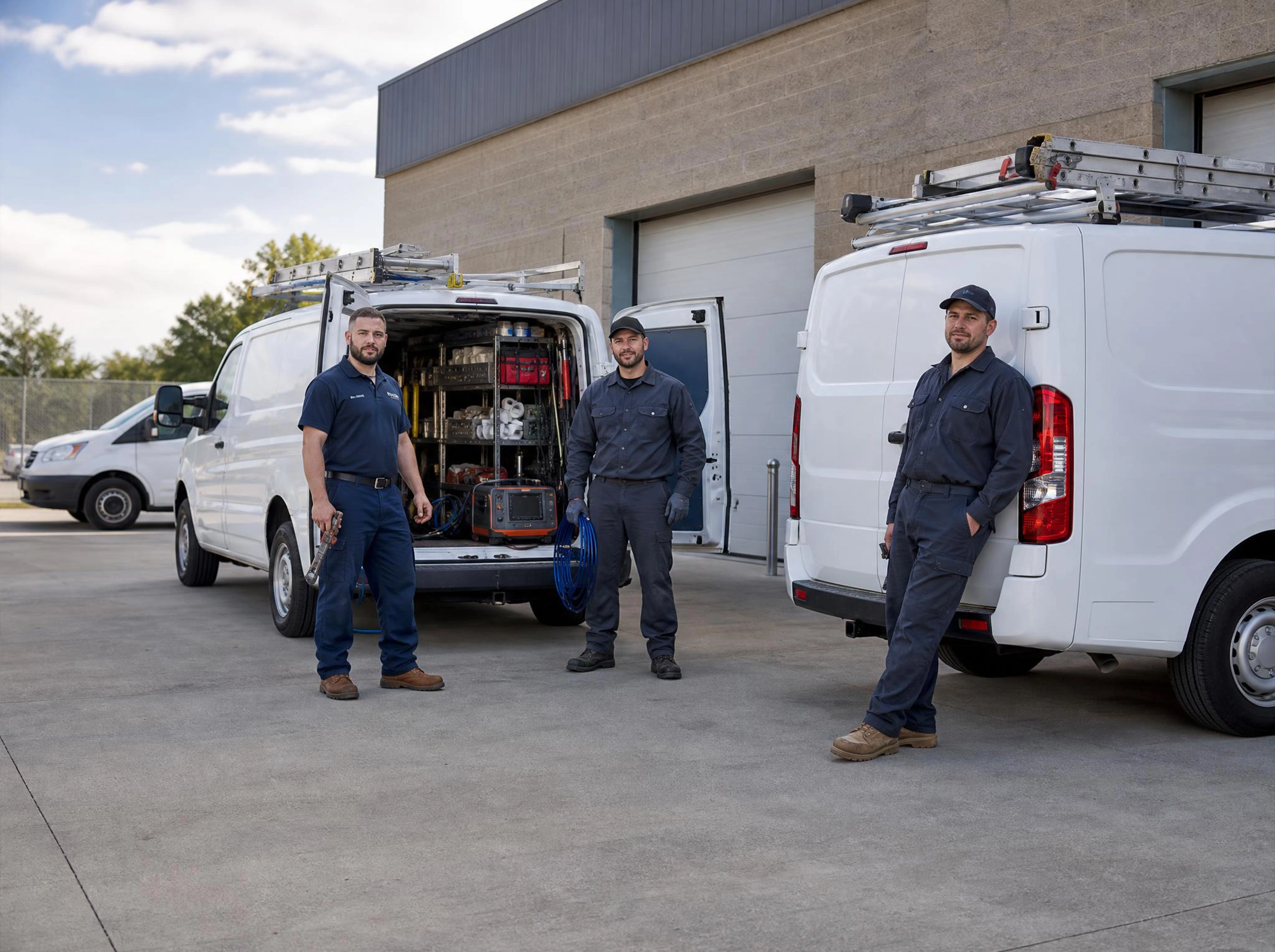
How Plumbing Businesses Are Commonly Valued
Many privately held plumbing companies are assessed using a multiple of normalized earnings, although asset value, revenue quality, recurring work, management depth, growth profile and transaction structure can materially affect the result.
Smaller owner-operated companies may be evaluated using seller’s discretionary earnings. Larger businesses with management depth are more commonly considered using EBITDA. Asset value may provide supporting information, but vehicles and tools do not automatically produce enterprise value without sustainable earnings.
A buyer should not rely on a generic industry multiple without understanding the business-specific adjustments, risks and working-capital assumptions behind it. A professional business valuation, accountant review and legal advice may be appropriate before making a binding commitment.
Our Process for Buying a Plumbing Business
Step 1 – Confidential Buyer Consultation
We discuss your experience, acquisition goals, preferred region, budget, available equity, financing plan and desired level of day-to-day involvement. This helps determine whether a plumbing acquisition is appropriate and what type of company may fit.
Step 2 – Buyer Registration and Confidentiality
Before confidential information is released, buyers complete the required registration and confidentiality agreement. Proof of financial capacity or financing readiness may be requested depending on the opportunity.
Step 3 – Opportunity Review
Qualified buyers may receive a confidential information package describing the company, operations, financial performance and transaction structure. Initial questions should focus on fit, sustainability and major risks rather than price alone.
Step 4 – Management Meeting
When appropriate, the buyer meets the seller to understand operations, customers, employees, owner responsibilities, growth opportunities and transition expectations. Confidentiality remains essential throughout this stage.
Step 5 – Offer and Negotiation
A properly structured offer should address price, deposit, financing, due diligence, working capital, included assets, transition, training, non-competition, employee matters and other conditions. Buyers should obtain legal and accounting advice.
Step 6 – Due Diligence
The buyer and professional advisers verify financial, legal, operational, tax, employee, licensing, safety, customer, asset and contractual information. The scope should reflect the size and complexity of the acquisition.
Step 7 – Financing and Closing
Financing, lease matters, licences, insurance, transaction documents and closing adjustments are finalized. The parties should also confirm communication plans for employees, customers, suppliers and referral sources.
Step 8 – Transition and Ownership Transfer
A defined transition plan can include introductions, technical support, estimating guidance, account handover, supplier relationships and training. The length and structure should match the seller’s role and the buyer’s experience.
Financing a Plumbing Business Acquisition
Plumbing acquisitions may be financed through a combination of buyer equity, bank or credit-union financing, Business Development Bank of Canada financing, seller financing and, in some cases, asset-based facilities. Availability depends on the buyer, business, assets, cash flow and transaction structure.
Buyers should speak with lenders early. A strong financing package commonly includes personal financial information, a business plan, relevant experience, historical financial statements, normalized cash flow, purchase terms and a realistic working-capital estimate.
Plumbing Due Diligence Checklist
Financial
- Three to five years of financial statements and tax returns
- Monthly revenue and gross-margin trends
- Detailed normalization and add-back support
- Accounts receivable and payable aging
- Work-in-progress and deferred revenue
- Payroll, benefits and contractor costs
- Capital expenditure history and future requirements
Operational
- Dispatch and scheduling systems
- Service call volumes and response times
- Maintenance agreement records
- Job costing and warranty and callback history
- Inventory backflow and water-treatment and warranty and deficiency procedures
- Fleet and equipment condition
- After-hours and emergency and after-hours coverage
Employees and Licensing
- Employee list, tenure, compensation and roles
- Trade licences, certifications and designated individuals
- Employment agreements and accrued obligations
- Key-person and retention risk
- Safety training and WorkSafeBC records
- Union or collective-agreement obligations, where applicable
Customers and Contracts
- Customer concentration and revenue by account
- Maintenance and service agreements
- Builder, property-manager and referral relationships
- Contract assignability and change-of-control provisions
- Warranty, warranty and callback and customer-complaint history
- Online reviews and reputation risks
Legal and Compliance
- Corporate records and ownership
- Licences, permits and regulatory standing
- Insurance coverage and claims history
- Pending disputes, liens or litigation
- Environmental and backflow, gas-fitting and environmental obligations
- Vehicle ownership, leases and security interests
- Premises lease and landlord consent requirements
Common Buyer Mistakes
- Focusing on revenue instead of normalized cash flow
- Underestimating the seller’s operational role
- Assuming all service agreements will transfer automatically
- Ignoring technician retention and licensing requirements
- Failing to budget for working capital and fleet replacement
- Overvaluing projected growth that depends on unavailable labour
- Not reviewing WIP, warranty work or warranty and callbacks carefully
- Approaching employees or customers before authorization
- Using an offer that does not clearly address assets, working capital and transition
- Proceeding without qualified legal, accounting and financing advice
Who Is a Good Fit to Buy a Plumbing Business?
Experienced Plumbing Operators
Strategic Mechanical Contractors
Acquisition Entrepreneurs
Investors with Experienced Management

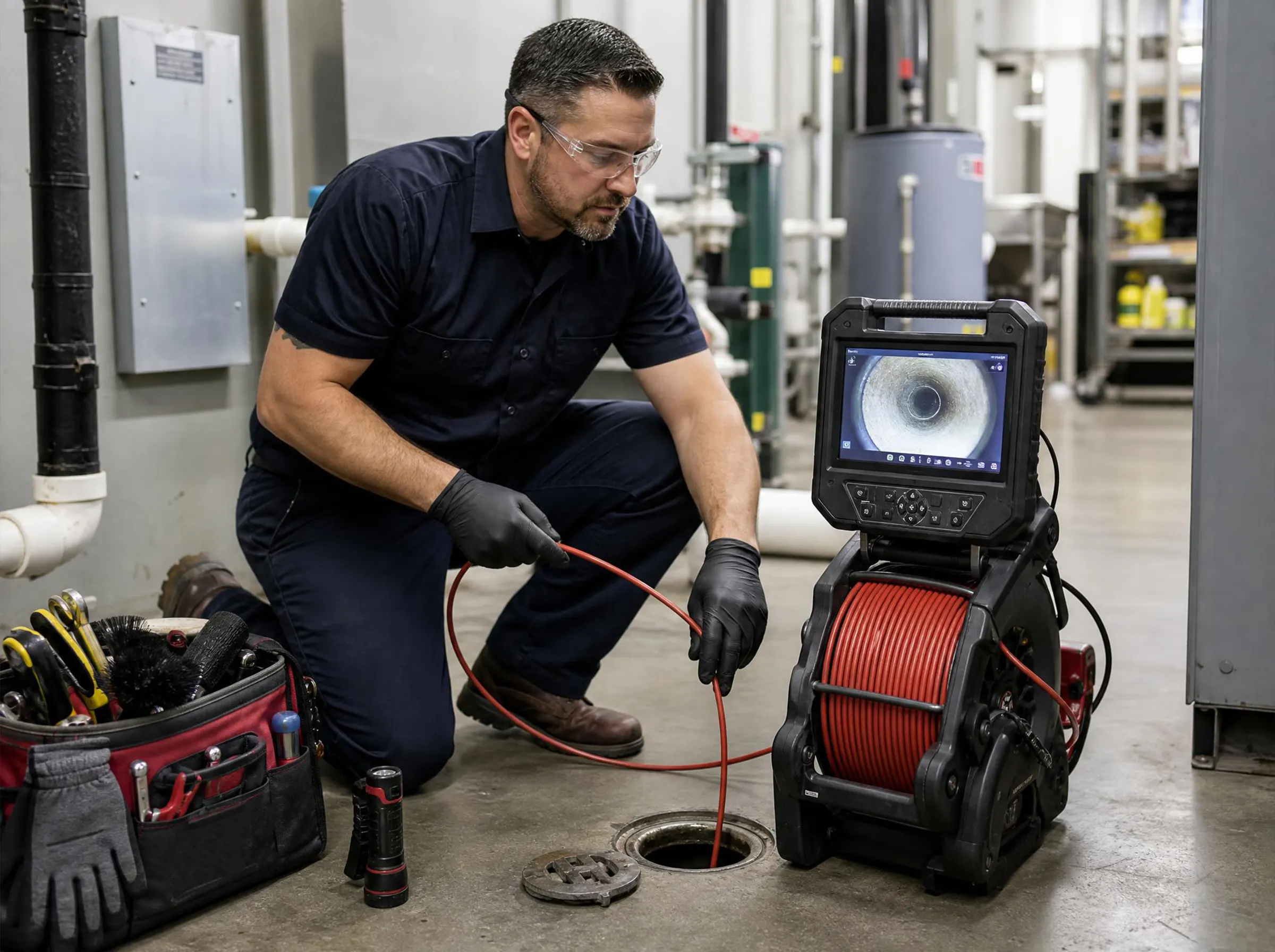
Why Work With Trades Business Broker?
Trades and construction businesses have operating details that are easy to misunderstand when viewed through a generic brokerage process. plumbing acquisitions involve licensing, skilled labour, service contracts, seasonality, fleet, technical risk and customer continuity.
Trades Business Broker helps buyers approach these opportunities with structure and confidentiality. Our role is to facilitate communication, organize the transaction process and help qualified parties focus on the information needed to make informed decisions.
- Trades and construction industry specialization
- Confidential access to qualified opportunities
- Buyer registration and qualification process
- Guidance on valuation, offer structure and transaction steps
- Coordination with legal, accounting and financing advisers
- British Columbia market focus
- Practical attention to transition and operational continuity
Frequently Asked Questions
Not always, but the business must have sufficient licensed technical and management capacity. Buyers without direct experience should have a credible plan for leadership, licensing, employee retention and technical oversight.
The amount depends on the purchase price, financing terms, working capital, professional fees and post-closing requirements. Lenders generally expect meaningful buyer equity and evidence of financial capacity.
They may be, subject to the transaction structure and contract terms. Buyers must verify assignability, cancellation rights, deferred revenue and any service obligations that continue after closing.
Most transactions include some training and transition support. The appropriate period depends on the seller’s role, buyer experience, customer relationships and complexity of operations.
Usually only at an agreed stage and through a carefully managed communication plan. Premature disclosure can create unnecessary risk for the seller, employees and transaction.
Timing varies with financing, due diligence, licensing, lease approvals and transaction complexity. A well-prepared transaction may still require several months from initial review to closing.
Seller financing may form part of a transaction, but it is negotiated case by case and does not replace adequate buyer equity, lender approval or due diligence.
No. Some owners prefer a confidential process and may only consider qualified buyers who have registered and demonstrated financial and operational credibility.
Looking for the Right Plumbing Business to Acquire?
A successful acquisition begins with clear criteria, financial readiness and a confidential process. Register your interest to discuss your background, acquisition goals and the types of plumbing opportunities that may be appropriate for you.
Confidential guidance for qualified plumbing buyers throughout British Columbia.