
Home ↣ Sell a Restoration Business
Sell Your Restoration with Confidence
A restoration company can be a complex and highly valuable operating business. Its value may come from emergency-response capability, trained crews, insurer and adjuster relationships, commercial referral sources, specialized equipment, recognized certifications and the systems required to manage urgent, document-heavy projects.
Selling that company requires more than advertising revenue and equipment. Buyers need to understand the quality of the earnings, the stability of referral channels, the transferability of key relationships, the strength of the management team and the risks connected to warranties, claims, safety and project completion.
Trades Business Broker helps owners throughout British Columbia prepare, position and confidentially market restoration businesses to qualified buyers.
Is It the Right Time to Sell?
Owners often begin considering a sale because of retirement, burnout, partnership changes, family priorities, health concerns or a desire to pursue another opportunity. In restoration, the operational demands of emergency calls, staffing, insurer documentation and cash-flow management can make long-term planning especially important.
A sale does not need to begin immediately. In many cases, twelve to twenty-four months of preparation can improve financial reporting, reduce owner dependence, strengthen management and make referral relationships easier to transfer.
- Am I still essential to every major job or referral relationship?
- Can the company operate when I am away?
- Are margins consistent across service lines?
- Are insurer, adjuster and property-manager relationships documented and transferable?
- Are certifications, safety systems and compliance records current?
- Are unresolved claims, deficiencies or warranty issues under control?
- Would a buyer understand the true working-capital needs of the business?

Why Buyers Are Interested in HVAC BusinessesWhy Restoration Businesses Attract Buyers
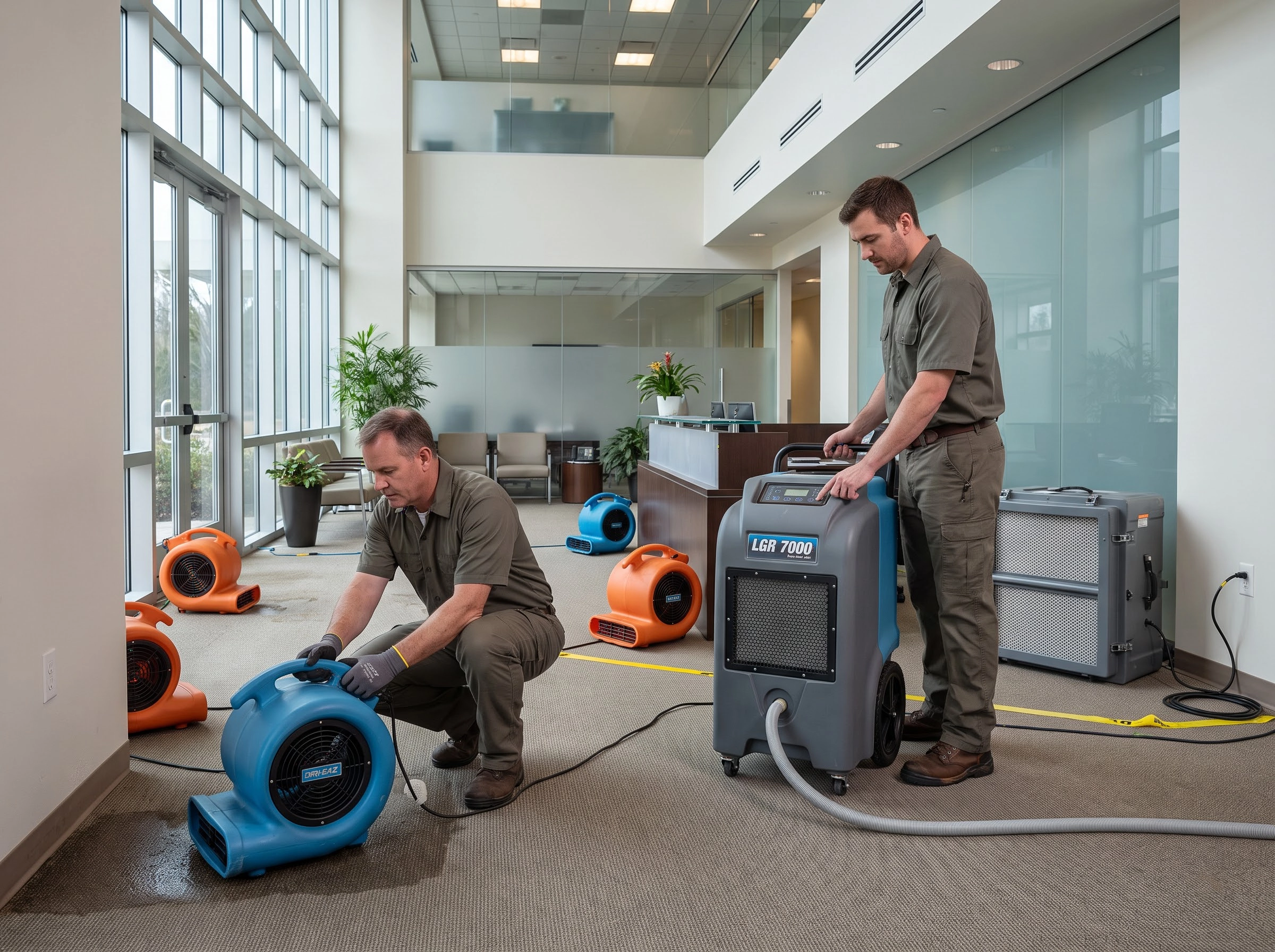
Well-run restoration companies may attract individual operators, experienced industry buyers, strategic acquirers and larger service groups. Demand is often driven by the essential nature of the work and the barriers involved in building a credible emergency-response operation.
- Established insurer, adjuster and property-management relationships
- Twenty-four-hour emergency-response capability
- Trained and certified technicians
- Commercial and institutional referral channels
- Water extraction, drying and remediation equipment
- Documented estimating and job-management systems
- Experienced project managers and supervisors
- Recognized local reputation and response coverage
- Opportunities to add territories or service lines
- Recurring referral activity despite project-based revenue
What Makes a Restoration Company Valuable?
1. Sustainable, Normalized Earnings
Buyers focus on the company’s sustainable cash flow after reasonable adjustments. They will examine gross margins, labour efficiency, equipment costs, subcontractor use, write-offs, claims, bad debt and the timing of insurer payments. A clear explanation of normalized earnings is essential.
2. Quality and Diversity of Referral Sources
Insurers, adjusters, property managers, strata managers, plumbers, municipalities and commercial clients may all generate work. A broad referral base is generally stronger than dependence on one program, one adjuster or one large client.
3. Program and Insurer Relationships
Preferred-vendor or program relationships can support deal flow, but buyers will examine whether those arrangements are transferable, renewable and dependent on the owner personally. They may also assess service-level requirements, scorecards, pricing controls and audit exposure.
4. Emergency-Response Capability
A reliable after-hours system, dispatch process, response-time record and sufficient staffing can be valuable. Buyers want to know that the business can continue handling urgent calls without the seller personally coordinating every incident.
5. Management and Project Oversight
Experienced project managers, estimators, supervisors and office staff reduce owner dependence. Strong job documentation, change-order controls, collections and quality assurance can materially improve buyer confidence.
6. Certifications, Licensing and Safety
Industry certifications, mould and asbestos qualifications where applicable, occupational health and safety systems, training records and insurance coverage are important. Missing or owner-dependent qualifications may create transition risk.
7. Equipment, Fleet and Facilities
Extraction units, drying equipment, dehumidifiers, air movers, air scrubbers, vehicles, storage, contents-processing systems and specialized tools can support value. Buyers also review age, condition, utilization, financing and replacement requirements.
8. Service Mix
Water damage, fire and smoke restoration, mould remediation, contents handling, reconstruction, biohazard, asbestos-related work and commercial catastrophe response can have different margins and risks. A balanced and understandable service mix may improve marketability.
9. Revenue Volatility and Catastrophe Exposure
Storms, floods, fires and freeze events can create exceptional revenue that may not repeat. Buyers will separate ordinary sustainable performance from unusual catastrophe-driven results.
10. Customer and Program Concentration
Heavy dependence on one insurer, network, contractor or referral source may reduce value. Buyers typically prefer diversified revenue and clear evidence that relationships will continue after closing.
11. Working Capital and Collection Cycle
Restoration businesses may carry labour, materials and subcontractor costs before payment is received. Buyers need to understand accounts receivable aging, holdbacks, disputed invoices, insurer approvals and the working capital required after closing.
12. Claims, Warranties and Litigation
Outstanding deficiencies, mould allegations, property-damage claims, safety incidents, unpaid subcontractors, warranty exposure and legal disputes require careful disclosure and review. Clean records and appropriate reserves can reduce transaction risk.
13. Reputation and Online Presence
A trusted brand, positive reviews, strong referral feedback and documented service standards can support goodwill. Reputation is most transferable when it belongs to the company and team rather than solely to the owner.
14. Geographic Coverage and Response Density
A defined service territory, efficient dispatch coverage and sufficient crew density can improve response times and operating margins. Expansion opportunities may also attract strategic buyers.
15. Transferability
The strongest businesses can continue serving referral partners, managing projects and producing earnings after the seller steps back. Systems, employees, contracts, certifications and relationships all affect transferability.
How Restoration Companies Are Commonly Valued
Earnings-Based Approach
Market Comparison Approach
Asset Considerations
Asset-Based Considerations
Strategic Value

Revenue Alone Does Not Determine Value
Restoration revenue can fluctuate significantly because of weather events, large losses and insurer program volume. Buyers will look beyond top-line sales and examine normalized profitability, gross margin by service line, receivable quality, referral concentration and the company’s ability to reproduce earnings in a normal year.
A smaller company with dependable margins, diversified referrals and strong management may be more valuable than a larger company with unstable catastrophe revenue, weak collections and heavy owner dependence.
Preparing a Restoration Company for Sale
Strengthen Financial Reporting
Maintain reliable monthly statements, job-cost reporting, receivable aging and clear documentation for owner adjustments. Separate unusual catastrophe revenue from normal operations.
Document Referral Relationships
Organize program agreements, scorecards, service requirements, contact histories and referral sources. Avoid allowing all important relationships to remain only in the owner’s phone or memory.
Reduce Owner Dependence
Develop project managers, estimators, dispatch staff and supervisors who can operate without constant owner involvement.
Review Certifications and Compliance
Confirm that required certifications, licences, safety documentation, insurance and training are current and not dependent on one departing individual.
Clean Up Receivables and Claims
Address old receivables, disputed invoices, incomplete files, deficiencies, warranty matters and unresolved claims before due diligence.
Organize Equipment Records
Prepare a complete equipment and fleet list showing ownership, financing, age, condition, maintenance and replacement needs.
Clarify Service-Line Profitability
Understand margins for emergency mitigation, reconstruction, mould, contents, asbestos-related work and other services. Buyers will want to know which activities drive earnings.
Protect Key Employees
Review compensation, responsibilities, retention risk and transition communication for project managers, estimators, supervisors and technicians.
Document Operating Systems
Organize estimating, job documentation, photo records, moisture logs, approvals, change orders, invoicing, collections and quality-control procedures.
Our Confidential Selling Process
Step 1 – Confidential Consultation
We discuss the company, ownership goals, timeline and concerns. No marketing begins and no employees, referral partners or competitors are contacted.
Step 2 – Business Review and Valuation
We review financial and operational information, referral channels, workforce, equipment, service mix, risks and transferability to develop a realistic market position.
Step 3 – Preparation of Confidential Marketing Materials
We prepare a confidential presentation describing the company’s strengths, operations, financial performance and growth opportunities without publicly identifying the business.
Step 4 – Confidential Buyer Outreach
The opportunity may be introduced to qualified individual, industry and strategic buyers through controlled outreach. Buyers are screened and confidentiality requirements are established before sensitive information is released.
Step 5 – Offers and Negotiation
We help the seller evaluate price, structure, financing, working capital, transition expectations, employee considerations and conditions.
Step 6 – Due Diligence
The buyer reviews financial records, receivables, insurer and referral relationships, equipment, employees, certifications, safety, claims, contracts and operations. Organized preparation helps reduce delays.
Step 7 – Closing and Transition
Lawyers, accountants, lenders and other advisors complete the transaction documents. The seller then assists with an agreed transition designed to preserve relationships and operating continuity.
Confidentiality Is Critical
Premature disclosure can affect employees, insurer programs, adjusters, referral partners, customers and competitors. A controlled process protects the identity of the company and limits access to sensitive information.
Prospective buyers should be qualified before receiving identifying details, customer information, program documents, financial statements or employee records. Confidentiality is maintained throughout marketing, negotiation and due diligence.
Common Mistakes Restoration Owners Make
Waiting Until Burnout Forces a Sale
Emergency operations can be demanding. Owners who wait until they are exhausted may have less time to improve management, financial reporting and buyer confidence.
Overvaluing Catastrophe Revenue
Exceptional weather or disaster revenue may not repeat. Buyers typically normalize performance and discount results that appear unusual or non-recurring.
Depending on One Insurer or Program
Concentration can create significant risk if a program changes, a referral contact leaves or performance requirements are revised.
Ignoring Accounts Receivable Quality
Large receivables do not automatically equal value. Buyers will examine aging, disputes, approvals, write-offs and collection history.
Failing to Address Claims and Deficiencies
Unresolved warranty issues, safety incidents or property-damage claims can disrupt due diligence and reduce confidence.
Keeping Key Relationships Personal
When adjusters, property managers and referral partners work only with the owner, buyers may doubt whether the relationships will transfer.
Using an Unsupported Asking Price
Pricing based on emotion or revenue alone can discourage qualified buyers and extend the sale process.
Who May Buy a Restoration Company?
- Experienced restoration managers seeking ownership
- Other restoration companies expanding territory
- Construction or remediation companies adding restoration services
- Property-service groups seeking emergency-response capability
- Strategic buyers pursuing insurer relationships or trained staff
- Entrepreneurs with operational and financial qualifications
- Private investment groups with an industry operator

Frequently Asked Questions
Timing depends on size, price, earnings quality, buyer demand, financing, due diligence and transaction complexity. A well-prepared confidential sale commonly requires several months, but no fixed timeline can be guaranteed.
Some relationships may transfer more easily than others. Buyers will review program terms, performance history, personal relationships and approval requirements. Early preparation helps identify transfer risks.
They may demonstrate capacity, but buyers usually separate unusual catastrophe performance from sustainable ordinary earnings. Repeatable profitability generally carries more weight.
The treatment of accounts receivable depends on the transaction structure. Buyers will examine aging, collectability, disputes and working-capital requirements before agreeing on terms.
Equipment and fleet may contribute value, but buyers consider condition, debt, utilization and replacement needs. The treatment of assets depends on whether the transaction is structured as an asset or share sale and how value is negotiated.
Employee continuity is often important because trained project managers, estimators and technicians support value. Communication should be carefully timed and coordinated with legal advice and the transaction plan.
Yes. The company should not be publicly identified. Qualified buyers sign confidentiality agreements before receiving sensitive information.
Heavy owner involvement does not prevent a sale, but it may affect value and transition requirements. Developing management and documenting relationships before marketing can improve transferability.
The operating business and real estate can be sold together, separately or with a lease arrangement. The appropriate structure depends on ownership goals, buyer needs, financing and tax advice.
A realistic valuation review is strongly recommended. It helps establish a defensible asking price, identify risks and determine whether the seller’s expectations align with the market.
Ready to Discuss the Future of Your Restoration Company?
Whether you are planning to retire, responding to an unsolicited approach or simply trying to understand your options, the first step is a confidential conversation.
We can help you evaluate marketability, identify preparation priorities and determine whether now is the right time to sell.