
Home ↣ Sell a Roofing Company
Sell Your Roofing Company with Confidence
You have spent years building crews, earning customer trust, managing suppliers, navigating weather, maintaining safety standards and delivering work that protects homes and commercial properties. When the time comes to sell, the business deserves a process that reflects both its financial performance and the operational value you have created.
Trades Business Broker helps roofing company owners throughout British Columbia prepare, market and sell their businesses confidentially. We understand that a roofing business is not valued on revenue alone. Buyers also consider the quality of earnings, crew stability, project mix, safety record, warranty exposure, backlog, estimating systems, supplier relationships, equipment, owner involvement and the ability of the company to continue operating after a transition.
Whether you are planning retirement, responding to an unsolicited offer or preparing several years ahead, a confidential discussion can help you understand the options available.
Selling a Roofing Company Is Different
Roofing companies can be attractive acquisition opportunities, but they also present industry-specific risks that must be understood. Weather exposure, seasonality, workplace safety, warranty obligations, subcontractor relationships, material pricing, insurance-restoration work and project backlog can all affect buyer confidence and transaction structure.
A buyer may be acquiring much more than trucks, trailers and tools. The real value may include an established brand, trained crews, repeat commercial customers, property-management relationships, estimating systems, supplier terms, lead-generation channels, online reviews, job records and a reputation for standing behind completed work.
The stronger and more transferable these elements are, the easier it may be for a buyer to understand the opportunity and continue operations after closing.
Roofing Businesses We Assist
- Residential roofing contractors
- Commercial flat-roofing companies
- Industrial roofing contractors
- Metal roofing businesses
- Shingle and steep-slope roofing companies
- Roof repair and maintenance businesses
- Building-envelope and waterproofing contractors
- Roof inspection and asset-management companies
- Insurance-restoration roofing contractors
- Gutter, soffit and fascia businesses
- Roof coating and restoration companies
- Specialty roofing and exterior-service businesses

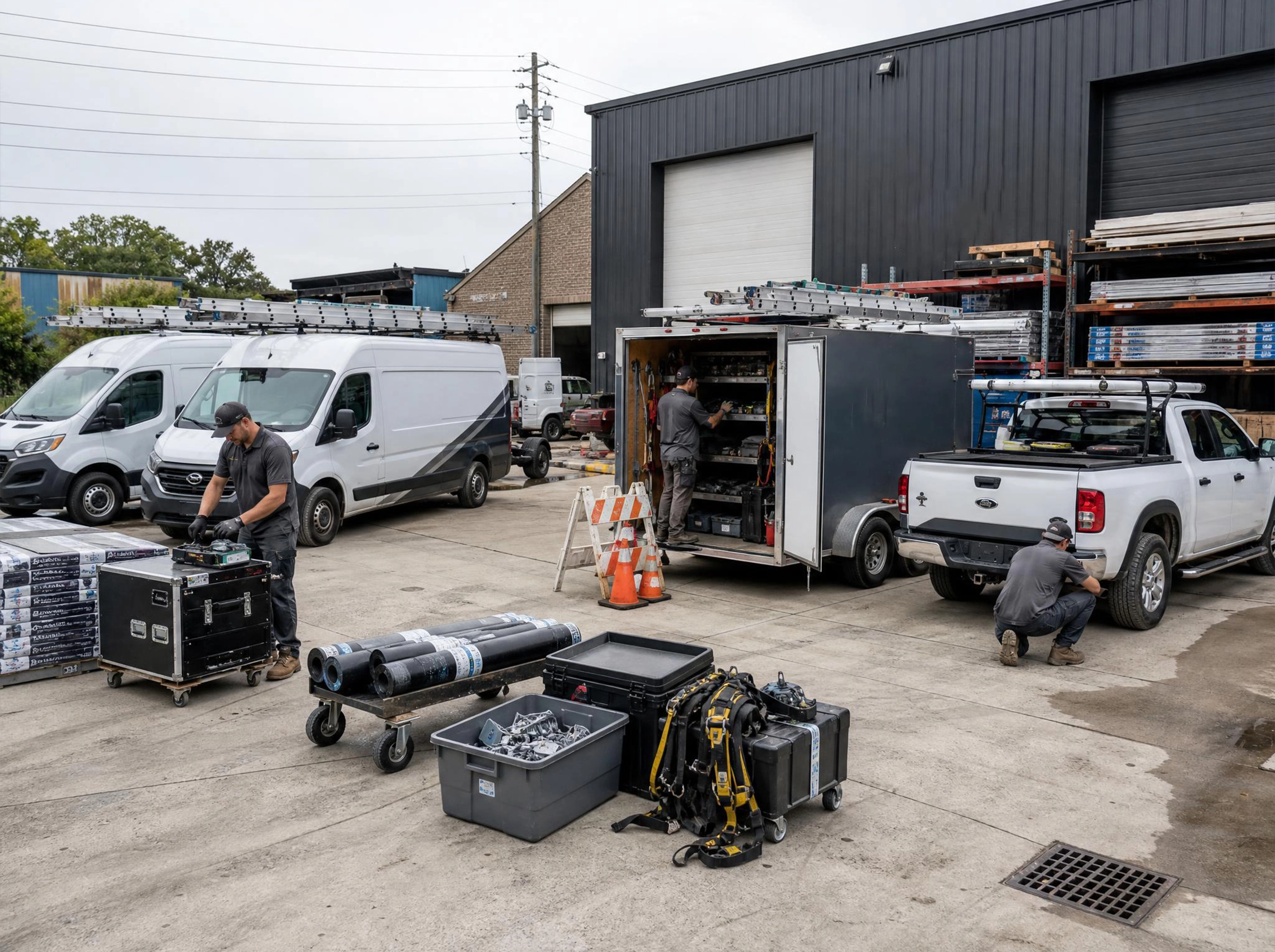
Why Roofing Companies Attract Buyers
Essential Building Service
Established Crews
Repeat and Referral Business
Brand and Reputation
Growth Opportunities
What Makes a Roofing Company Valuable?
1. Sustainable Earnings
Buyers focus on normalized, supportable cash flow rather than revenue alone. Consistent margins, disciplined estimating, controlled overhead and reliable profitability generally create more confidence than large but volatile sales figures.
2. Residential, Commercial and Service Mix
The balance between residential replacements, commercial projects, repairs, maintenance and specialty work can affect risk. Recurring service and maintenance work may be viewed differently from one-time installation projects.
3. Seasonality and Weather Exposure
Roofing revenue can fluctuate with weather and construction cycles. Buyers will assess how the company manages seasonal labour, cash flow, scheduling and slower periods.
4. Backlog and Pipeline
A credible backlog may support near-term revenue, but buyers will examine margins, customer deposits, material commitments, completion risk, weather delays and whether the work can transfer after closing.
5. Workforce and Crew Stability
Experienced forepersons, installers, service technicians, estimators and project managers can materially affect value. Buyers want confidence that crews are productive, safety-conscious and likely to remain.
6. Dependence on the Owner
If the owner personally sells every job, estimates every project, manages crews and controls key relationships, the business may be harder to transfer. Delegated leadership and documented systems can reduce this risk.
7. Safety and WorkSafe History
Safety procedures, training, incident history, fall-protection practices, claims and WorkSafe standing can significantly influence due diligence and buyer confidence.
8. Warranty and Callback Exposure
Buyers will review written warranties, historical callbacks, open claims, workmanship standards and the company’s process for resolving deficiencies. Poorly documented obligations may create uncertainty.
9. Customer and Lead Concentration
Heavy reliance on one builder, restoration company, strata manager, lead provider or insurance channel may concern buyers. A diverse customer and lead base generally provides more stability.
10. Estimating, Job Costing and Production Systems
Reliable takeoffs, pricing, scheduling, production tracking, material ordering and job-costing systems help buyers understand margins and operational control.
11. Vehicles, Trailers and Equipment
Fleet condition, dump trailers, lifts, safety equipment, tools and specialized machinery affect working capital and replacement needs. Buyers will examine ownership, leases and maintenance history.
12. Supplier Relationships and Material Purchasing
Credit terms, manufacturer relationships, rebates, certifications and purchasing discipline can affect margins and continuity. Buyers may also assess exposure to material-price volatility
13. Reputation and Digital Lead Flow
Online reviews, referral sources, website rankings, paid-ad performance, call tracking and brand recognition can support future revenue when they are tied to the company rather than only the owner.
14. Insurance-Restoration Exposure
Insurance-related work can provide volume, but buyers will evaluate referral concentration, receivable timing, documentation requirements, pricing controls and dependence on individual adjusters or restoration partners
15. Transferability
A roofing company becomes more attractive when its employees, systems, supplier relationships, customer pipeline and reputation can continue after the owner leaves.
How Roofing Companies Are Commonly Valued
Earnings-Based Approach
Market Comparison Approach
Repeat and Referral Business
Asset-Based Considerations
Strategic Value

Revenue Alone Does Not Determine Value
A roofing company with high revenue can still carry significant risk if margins are inconsistent, safety issues are unresolved, warranty exposure is unclear or the company depends heavily on the owner. A smaller business with dependable profitability, stable crews, repeat customers and strong systems may be more attractive to buyers.
Buyers are purchasing sustainable future benefit, not simply historical sales volume.
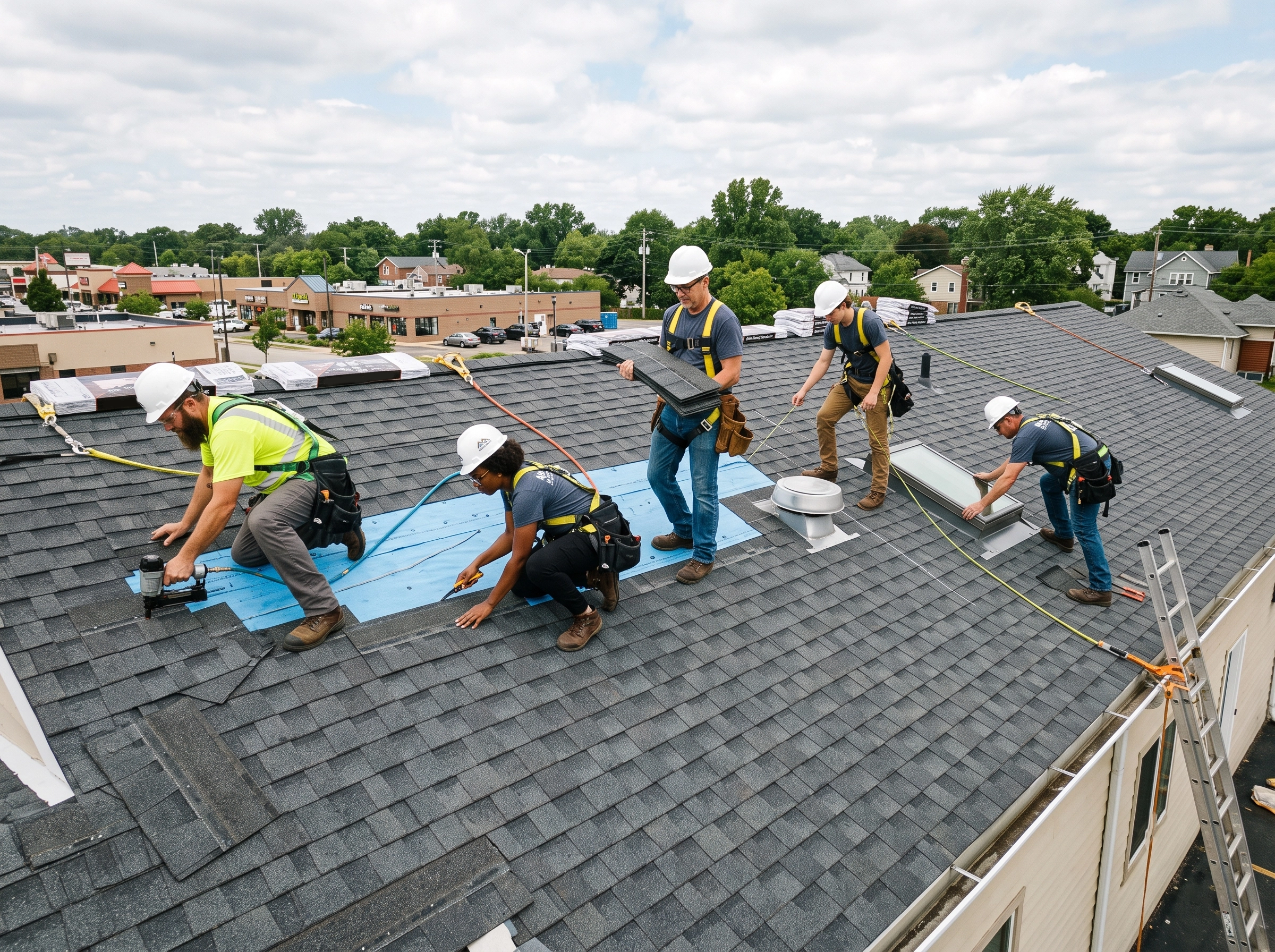
Preparing Your Roofing Company for Sale
Organize Financial Records
Strengthen Estimating and Job Costing
Document Safety Practices
Review Warranty Obligations
Reduce Owner Dependence
Stabilize the Workforce
Diversify Lead Sources
Maintain Vehicles and Equipment
Resolve Avoidable Issues
Common Mistakes Roofing Owners Make Before Selling
Waiting Until Burnout Forces a Sale
A rushed sale can reduce preparation time and negotiating leverage. Planning before the owner is exhausted or the business begins declining usually provides more options.
Pricing the Company on Revenue
Revenue does not show profitability, risk or transferability. Buyers will focus on normalized earnings and the quality of the operation.
Ignoring Warranty Exposure
Undocumented warranties, unresolved callbacks and unclear responsibility after closing can delay or reduce buyer interest.
Relying on One Lead Source
A company dependent on one builder, restoration partner or advertising channel may appear vulnerable if that relationship changes.
Failing to Document Subcontractor Relationships
Buyers will want clarity on worker classification, insurance, safety responsibilities, payment terms and the continuity of subcontractor crews.
Talking About the Sale Too Early
Premature disclosure can unsettle crews, managers, customers, suppliers and competitors. Confidentiality should be planned from the beginning.
Using Unsupported Add-Backs
Aggressive or poorly documented financial adjustments can undermine credibility with buyers and lenders.
Our Confidential Sale Process
Step 1 – Confidential Consultation
We begin with a private discussion about the company, ownership goals, timing and the owner’s concerns. There is no obligation to proceed.
Step 2 – Business Review and Valuation
We review financial performance, crews, management, project mix, backlog, safety, warranties, assets, customer sources and transferability to develop a realistic market position.
Step 3 – Preparation for Market
We help organize the information buyers need and prepare a confidential marketing package that explains the strengths and opportunities of the business without prematurely revealing its identity.
Step 4 – Confidential Buyer Outreach
The opportunity may be introduced through qualified buyer databases, private outreach, strategic contacts and carefully controlled online marketing
Step 5 – Buyer Qualification and Offers
Prospective buyers are screened for experience, financial capacity, seriousness and strategic fit before detailed information is released. We assist with offers and negotiations.
Step 6 – Due Diligence
We coordinate the exchange of financial, operational, employee, safety, warranty, customer, supplier, equipment and contract information with the appropriate professional advisors
Step 7 – Closing and Transition
After conditions are satisfied, the transaction moves toward closing and an agreed transition plan. The goal is to protect continuity for crews, customers, suppliers and the buyer.
Confidentiality Is Essential
Premature disclosure can create uncertainty among forepersons, installers, estimators, project managers, customers, suppliers and competitors. A confidential process helps protect day-to-day operations while qualified buyers are identified and screened.
Detailed information should be shared only after appropriate confidentiality commitments and buyer qualification. The company name, customer list, employee details, financial records, pricing and project information should not be broadly exposed.
Who May Buy a Roofing Company?
- Experienced roofing managers or contractors seeking ownership
- Existing roofing companies expanding geographically
- Commercial roofing companies adding residential capacity, or vice versa
- Building-envelope, restoration or exterior-service companies
- General contractors adding roofing capability
- Strategic competitors seeking crews, customers or territory
- Entrepreneurs with experienced operating partners
- Search-fund or investment-backed buyers
- Family members, managers or employees through succession planning
Frequently Asked Questions
Timing depends on company size, earnings, price, buyer demand, financing, seasonality and the quality of the records. A well-prepared business may attract interest more efficiently, but no exact timeline can be guaranteed.
The process is designed to protect confidentiality. Employees are normally informed only when appropriate and with the owner’s authorization. Key managers may need to be involved earlier in some transactions, but this should be planned carefully.
Not necessarily. Buyers understand that roofing can be seasonal. They will assess how the company manages cash flow, scheduling, labour and off-season activity, and whether results are consistent across multiple years.
A profitable, documented and transferable backlog can support buyer confidence. Buyers will also examine deposits, margins, material commitments, completion risk, weather exposure and warranty obligations.
Buyers will review the scope and duration of warranties, historical callback costs, open claims and who will be responsible after closing. Clear records and a defined transaction structure are important.
They may be included depending on the transaction structure. Ownership, financing, condition and operational necessity should be clearly documented.
Buyers commonly review financial statements, tax returns, current results, job-costing reports, backlog, payroll, owner adjustments, receivables, payables, deposits and major contract information.
Subcontractor models can be transferable, but buyers will review worker classification, insurance, safety responsibilities, agreements, payment terms and relationship stability.
Yes, if both parties agree. Some owners remain for a defined transition, consulting period or employment term. The arrangement should be clear and documented.
No. An early confidential discussion can help you understand value, identify preparation priorities and choose a realistic timeline without committing to a sale.
Thinking About Selling Your Roofing Company?
Whether you are preparing for retirement, evaluating an unsolicited offer or planning several years ahead, the first step is a confidential conversation.
We will help you understand the factors that may influence value, the preparation required and the options available for bringing the company to market discreetly.